



The pearls of the commonwealth, Virginia-grown oysters, are known for their variety, value and environmental impact.
With more than 40 million oysters sold each year since 2016, Virginia ranks No. 1 on the East Coast for oyster landings, according to the Virginia Marine Resources Commission.
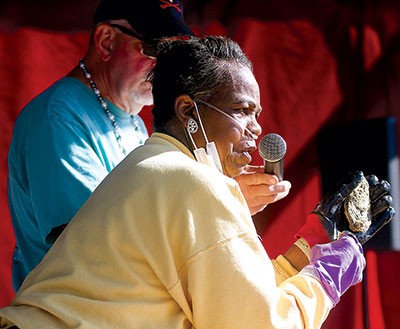
Gov. Glenn Youngkin proclaimed November as Virginia Oyster Month. The commonwealth is home to eight different oyster regions, each with its own taste, history and heritage, originally harvested by Native Americans and early colonists.
Once providing the indigenous peoples and pilgrims with limitless oysters, the Chesapeake Bay’s oyster beds fell into ruin by the 1980s from pollution, overharvesting and disease from a non-native microorganism. Virginia watermen, scientists, environ-mental agencies and federal officials kicked off efforts in the early 2000s to clean up the bay and reintroduce healthy oysters.
Worth over $32 million today, oysters held the second highest value of all Virginia seafood in 2022, according to the Virginia Institute of Marine Science.
And you don’t have to like oysters to appreciate their environmental impact. An average-sized adult oyster can filter up to 50 gallons of water a day. Oysters also help protect shorelines, stabilize sediment and provide habitat for other organisms.
Oyster aquaculture — the practice of raising oysters in tidal areas — developed in response to a steep decline in wild populations, improving the water quality, marine life and grass beds of the Chesapeake Bay and its tributaries over the years.
Virginia’s prized Eastern Oyster, Crassostrea virginica, is a delicacy that can be enjoyed throughout the year — thanks to modern improvements in shipping and refrigeration, along with a year-round supply from private and aquaculture fisheries. Virginia also is home to a robust network of oyster gardeners.
Approximately 4,600 Virginians work on the water year-round, helping the state flourish as the nation’s third largest producer of marine products, according to the Virginia Marine Products Board.
The state-managed wild public fishery comprises up to 650 watermen, many of whom inherited licenses and industry knowledge from past generations. They harvest oysters seasonally with traditional hand tongs, along with modernized patent tongs and dredges.
And with the development of hatchery technology and improved oyster genetics, Virginia’s private fisheries and aquaculture operations have experienced rapid growth in the last decade — expanding from 60 active oyster farms in 2013 to 134 in 2018, according to the U.S. Department of Agriculture.
Virginia’s eight oyster regions taste like the waters they came from — whether they were fished out of the Rappahannock, the Chesapeake Bay or the Atlantic Ocean.
For a tasting brochure about Virginia’s eight oyster regions, visit virginiaoysters.org.
Explore the Virginia Oyster Trail for a unique oyster tasting experience. Several oyster companies also offer tours of the oyster regions. Visit virginia.org for information.
Read more in Virginia Farm Bureau’s Cultivate magazine (https://issuu.com/virginiafarmbureau/docs/cultivate_winter_2025).