



Part 3
The lawyers had been selected, the distinguished Ronald E. Widget (who some in the county felt was totally unscrupulous) and the candy Enos F. Screwd, (who was known for his humongous bills.)
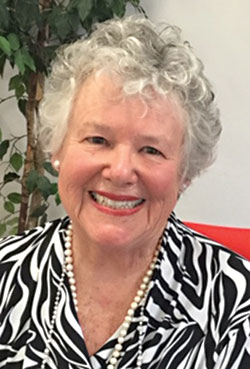
Merrypen from her desk in her office on Kent Street wished mightily the admiral and the general would do the sensible thing and settle the matter themselves by compromise. But no matter how hard she tried to reason with her two upstart characters, they insisted on moving forward in their own agenda.
“They will learn their lesson,” she told her husband, the retired lawyer, Stickler, at dinner that evening.
Merrypen sighed, however. She often ruminated about human behavior. “My characters are already out of control. And I’m only on part three of my new ‘Big Brass’ series. What ever shall I do?”
“Reel in your characters, my dear,” the Stickler advised. “Guide them to the sort of behavior they need to develop. Remember the author controls what the characters in any story do. Get a hold on them and make them settle the border problem. I would advise them to split the 15-foot discrepancy between the old and new surveys, draw a new line for the border, and settle the problem themselves. Like gentlemen.”
“My characters are hotheads!” Merrypen answered. “The trouble with human beings is we tend to go through life insisting that everything we believe to be true is true! We become rigid in our beliefs! Somehow we tell ourselves what we believe and want is best for everyone else. The Big Brass’s innate rigidity pulls them down! They are in fact like two selfish idiots arguing over an anthill, but their egos have taken control of their decisions and they are helpless to change course. What can I do with characters as stubborn as these two gentlemen are?”
Stickler sighed. “I suspect you will have to let the two fight it out in the courts. But the irony is the judge will probably end up doing exactly what I recommended. Split the difference, draw a new boundary line and settle the dispute. In the end it is much cheaper to stay out of court and settle differences between yourselves.” (Note: Good free advice from a lawyer!)
The next day the general was seen chopping down a tree at the waterfront on what the admiral claimed was his property. The admiral once again sped over to the boundary in his yellow Cad and ordered the general to leave. Which the general did not do. He finished chopping down the tree and then sawed it into logs for his fireplace. The admiral felt like punching the general in his Big Brass snoot but was able to contain himself.
“Thanks for cutting some firewood for me,” the admiral said, “just stack it neatly over here,” he added before wisely retreating before the general could respond.
That afternoon the admiral was out on the disputed land with his riding mower cutting the grass around his line of pine trees. Within minutes the general leapt on his riding mower and came charging across his field to chase after him.
The admiral scooted behind a pine tree just managing to dodge the general’s frontal attack. The admiral counter attacked. Both officers drove mad figure eights around and about the pines. Then came the expected. The gentlemen ran smack dab into each other in a head-on crash.
This caused even more blue language, especially when they realized they could not separate their riding mowers and both had to go huffing back on foot to their bivouacs to plan a reconnoiter of forces.
The next morning the admiral had a fencing company come in and erect a six-foot fence down his property line. That afternoon the general had his workmen come take down the new fence.
“You better not try that little stunt again!” shouted the general brandishing a Lugar pistol he had garnered in the Battle of the Bulge during World War II. The admiral stared at the general in shock. Deciding he was dealing with a lunatic, he jumped back in his yellow Cadillac and sped back home to call the sheriff.
“My crazy neighbor waved a gun in my face! I want him arrested!” he shouted when the sheriff came on line.
The sheriff sighed. He had heard all about the “Big Brass” boundary dispute. How tired he was of dealing with irrational human behavior. “Settle your dispute or take the matter to court,” the sheriff advised.
Meanwhile the Big Brass wives were gathering their forces. They were both members of the same church, so the battle had taken a religious taint.
Greta walked to the altar one morning and lifted her arms to the heavens above imploring God to come to her defense. Fiona who was sitting in a back pew was so enraged by such a tacky scene that she hosted a tea party in her home inviting all the ladies of the church except Greta.
On the day in court half the church members sat on “Fiona’s side” of the courtroom. The other half of the church sat on “Greta’s side.” Division seemed to boil down not on whose survey one decided was correct but on whether one’s husband had served in the Army or the Navy.
Father Blessing made a visit to each officer’s home. “Please,” he pleaded, “Could we pray about this issue? Could we settle the matter with each side agreeing to give up seven and one half feet of the field in order to draw a new boundary? This dispute is upsetting not only our town but our church!”
Then came what the town people ended up calling the “Battle of the Bikinis.” First the general’s wife, Greta, appeared on the contested boundary in a hot fuchsia bikini stretched out on a chaise lounge for sunbathing. Why she couldn’t have lounged at another spot of her waterfront property? Except to annoy a certain party?
“The nerve of that woman!” cried Fiona from her sun porch. She promptly stomped upstairs to fetch her yellow polka dot bikini and soon was at the boundary in her chaise lounge shamelessly strutting her stuff.
Both ladies refused to move and sat as if cast in steel until the sun set that evening. The scene was witnessed by a plumber who had been working on the admiral’s outdoor faucets. Just one man was able to spread what he had witnessed around town simply by telling the tale to the rapt audience at the lunch counter the next morning. It left listeners aghast.
Then the Merry Makers Club. It seemed both ladies were members of the club. There was a debate over the positions of the commode and sink in the remodeling of the bathroom.
“Please ladies,” stated the president, “Let’s take a vote on where you think would be the best locations for the sink and commode.”
The group quickly solidified between the commode on the north side with the sink directly across on the south wall and the commode on the south wall with the sink directly across on the north wall.
After a short discussion a vote was taken, “We have a tie, ladies” the president announced. After that things grew more serious and opposing groups found their leaders were the admiral’s wife heading the south wall for the commode troops and the General’s wife leading the north wall troops.
“Please ladies, let’s not make a mountain out of a molehill!” pleaded the president. “Surely we can come to an agreement?”
After an hour of passionate debate the vote was still tied. Finally, the president acted. “I’m making an executive decision in order to put this issue to bed! The commode will be installed on the west wall and the sink to the east. End of the matter.”
The town heard of the warfare in many versions soon after the meeting was adjourned, the skirmish was called the “Battle of the Commode.”
→ Part 4
Note: This story is fiction. All characters and events described herein are the product of the author’s imagination. Any suggestion to real people or events is purely coincidental.