



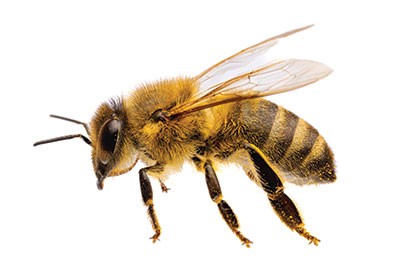
 “On Dec. 5, 1621, the Council of the Virginia Company in London wrote a letter noting they had sent ‘beehives’ along with other provisions to the Jamestown colony. Three ships could have carried the cargo — the Discovery, the Bona Nova, and the Hopewell — and by early 1622, European honeybees had arrived on the North American continent for what would turn out to be a permanent stay.”
apiaryproject.com
These “immigrant” bees pollinated the new colonial crops, such as squash, berries, apples and peaches. Their hives provided honey used as a food sweetener and meat preserver.
Early in the Virginia Colony’s development, sugar was considered a luxury item by the British and was heavily taxed. After the Revolutionary War and into the 1800s the bees’ nectar, honey, became a natural domestic sweetener in baking porridges and cooking in general. Honey had medicinal purposes also. It was mixed with herbs and turned into salves to apply topically to sores, cuts and burns because it was naturally antibacterial and helped in the healing process. It was also good for coughs and colds and sore throats.